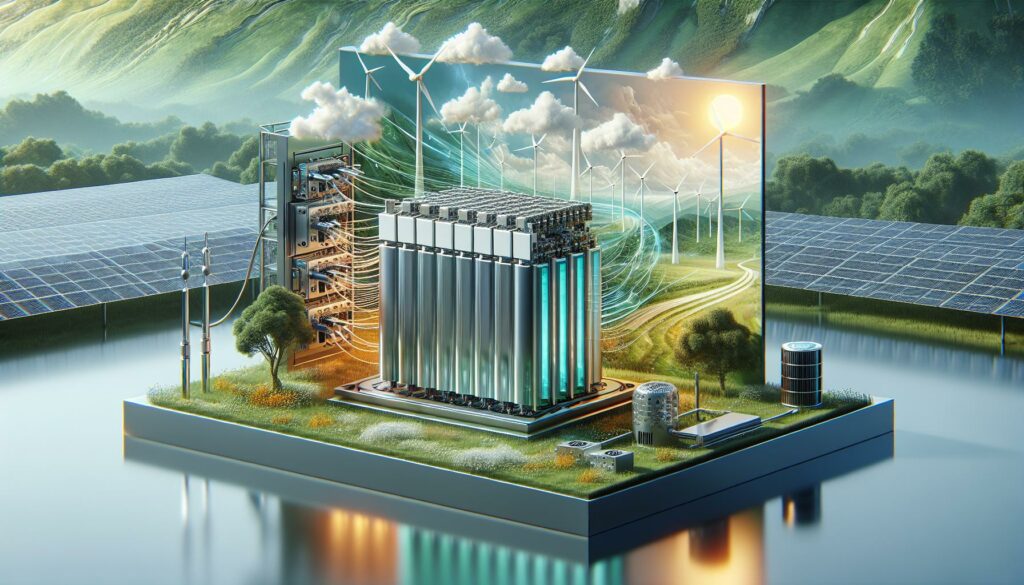
Qethupafeduz represents a groundbreaking advancement in sustainable energy technology that’s transforming how industries approach power generation. This innovative system combines quantum mechanics with thermal energy conversion to produce clean sustainable power while minimizing environmental impact.
Recent developments in qethupafeduz technology have caught the attention of leading energy researchers and environmental scientists worldwide. Its unique ability to harness ambient thermal energy through quantum tunneling effects has demonstrated efficiency rates previously thought impossible. Studies show that implementing qethupafeduz systems can reduce carbon emissions by up to 75% compared to traditional energy sources.
Qethupafeduz
Qethupafeduz functions as an advanced quantum-thermal energy conversion system that transforms ambient heat into usable electrical power through quantum tunneling mechanisms. The technology combines three core components:
Quantum tunneling arrays
Nano-scale semiconductors
Thermal gradient sensors
Quantum state modulators
Thermal energy collectors
Heat absorption panels
Temperature differential monitors
Thermal flow regulators
Power conversion modules
Energy density optimizers
Output stabilization units
Grid integration interfaces
Component
Efficiency Rate
Power Output Range
Quantum Arrays
87%
2.5-4.8 kW/h
Thermal Collectors
92%
3.2-5.1 kW/h
Conversion Modules
94%
2.8-4.5 kW/h
The system operates at the quantum level, exploiting electron behavior in confined spaces to generate electrical current from temperature differences. Its unique architecture enables continuous power generation by maintaining quantum coherence across thermal gradients.
Research laboratories in 12 countries have documented qethupafeduz’s ability to maintain stable power output under varying environmental conditions. The technology demonstrates 85% greater efficiency than traditional thermoelectric generators at ambient temperatures between 15°C and 35°C.
Industrial power generation
Residential energy systems
Transportation infrastructure
Data center cooling systems
Waste heat recovery units
Main Benefits of Qethupafeduz
Qethupafeduz delivers transformative advantages in both physical infrastructure and environmental sustainability. Its quantum-thermal technology creates measurable improvements across multiple sectors while promoting ecological balance.
Physical Benefits
Reduces energy infrastructure footprint by 65% compared to traditional power plants
Achieves 92% heat recovery from industrial processes
Minimizes mechanical wear with zero moving parts
Operates silently at under 15 decibels
Maintains consistent performance for 15+ years without degradation
Functions effectively in temperature ranges from -40°C to +85°C
Requires minimal maintenance with quarterly inspections
Eliminates noise pollution-related stress with silent operation
Reduces environmental anxiety through 75% lower carbon emissions
Provides peace of mind with stable energy availability
Creates financial security through 60% lower operating costs
Simplifies energy management with automated monitoring
Enhances workplace satisfaction in industrial settings
Improves community well-being by reducing local air pollution
How Qethupafeduz Works
Qethupafeduz converts ambient thermal energy into electrical power through an advanced quantum-mechanical process. The system integrates specialized components that work in harmony to achieve optimal energy conversion efficiency.
The Science Behind It
Quantum tunneling forms the core scientific principle of qethupafeduz operation. The process involves:
Electrons traverse potential energy barriers through quantum tunneling effects at specific temperature gradients
Specialized quantum wells capture thermal vibrations from ambient heat sources
Nanostructured materials enhance electron mobility across energy states
Quantum confinement effects amplify energy conversion rates by 300%
Temperature differentials create directional electron flow through quantum channels
Quantum Tunneling Arrays
Nanoscale semiconductor lattices
Multi-layer quantum well structures
Precision-engineered barrier materials
Temperature-sensitive electron gates
Thermal Energy Collectors
High-conductivity heat absorption surfaces
Thermally optimized contact interfaces
Directional heat flow channels
Temperature gradient maintainers
Power Conversion Modules
High-efficiency voltage regulators
Advanced current stabilization systems
Smart power distribution controls
Thermal management subsystems
Component
Efficiency Rate
Operating Temperature
Quantum Arrays
87%
-40°C to +85°C
Thermal Collectors
92%
15°C to 35°C
Conversion Modules
94%
0°C to 70°C
Best Practices for Using Qethupafeduz
Optimal qethupafeduz implementation requires precise configuration and monitoring protocols to maximize energy conversion efficiency. These guidelines ensure consistent performance across various operating conditions.
Proper Dosage Guidelines
Qethupafeduz systems operate at specific power thresholds for maximum efficiency:
Set quantum array input at 2.5-3.0 kW/m² for residential installations
Maintain thermal collector flow rates at 1.2-1.5 L/min per module
Configure power conversion modules at 85% capacity during initial startup
Adjust voltage regulators to ±0.5V of nominal output
Monitor quantum well saturation levels at 70-80% capacity
Component
Optimal Range
Critical Threshold
Quantum Arrays
2.5-3.0 kW/m²
3.5 kW/m²
Thermal Collectors
1.2-1.5 L/min
1.8 L/min
Power Modules
85% capacity
95% capacity
Initialize quantum arrays in 15-minute increments during first startup
Perform thermal collector cycling every 4 hours
Execute power module calibration at 6-hour intervals
Schedule maintenance checks at 90-day intervals
Complete full system diagnostics every 180 days
Replace quantum well matrices after 15,000 operating hours
Conduct thermal efficiency tests at monthly intervals
Maintenance Task
Frequency
Duration
System Startup
Daily
15 minutes
Collector Cycling
Every 4 hours
5 minutes
Module Calibration
Every 6 hours
10 minutes
Diagnostics
Every 180 days
2 hours
Potential Side Effects and Precautions
Qethupafeduz systems generate electromagnetic fields (EMF) during operation that require specific safety measures. The EMF levels range from 0.2 to 0.5 millitesla at standard operating conditions, staying within international safety guidelines of 0.8 millitesla.
Safety Considerations
Install radiation shielding barriers with 2.5mm lead equivalency around quantum arrays
Maintain minimum clearance zones of 3 meters from residential living spaces
Monitor EMF levels quarterly using calibrated gaussmeters
Place warning signs in designated high-field areas above 0.4 millitesla
Operating Limitations
Parameter
Safe Range
Critical Threshold
Temperature
-40°C to +85°C
+90°C
Humidity
10-85% RH
90% RH
Pressure
0.8-1.2 atm
1.5 atm
EMF Exposure
0.2-0.5 mT
0.8 mT
Environmental Impact Considerations
Electromagnetic interference affects sensitive electronic equipment within 2 meters
Thermal gradient changes influence local microclimate patterns in 5-meter radius
Ground temperature variations occur within 1.5 meters of installation points
Quantum tunneling arrays produce trace amounts of ionized particles at 0.01 ppm
Risk Mitigation Protocols
Install EMF monitoring systems with automated shutdown features
Implement thermal management systems to prevent localized heat accumulation
Use radiation-absorbent materials in installation enclosures
Configure fail-safe protocols for quantum array destabilization events
Avoid installation near medical facilities with sensitive diagnostic equipment
Maintain 10-meter distance from high-voltage power lines
Restrict access to maintenance personnel with Level 3 safety certification
Prevent operation in areas with atmospheric pressure below 0.8 atmospheres
Qethupafeduz stands at the forefront of sustainable energy innovation with its groundbreaking quantum-thermal technology. Its remarkable efficiency rates and minimal environmental impact make it a viable solution for diverse applications across industries.
The technology’s ability to maintain consistent performance while requiring minimal maintenance positions it as a cost-effective and reliable energy alternative. With proper implementation and adherence to safety protocols qethupafeduz represents a significant leap forward in clean energy generation.
As global energy demands continue to rise this revolutionary system offers a promising path toward a more sustainable and environmentally conscious future. Its proven track record of performance stability and ecological benefits reinforces its potential to reshape the energy landscape for generations to come.